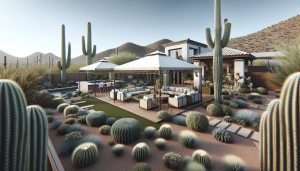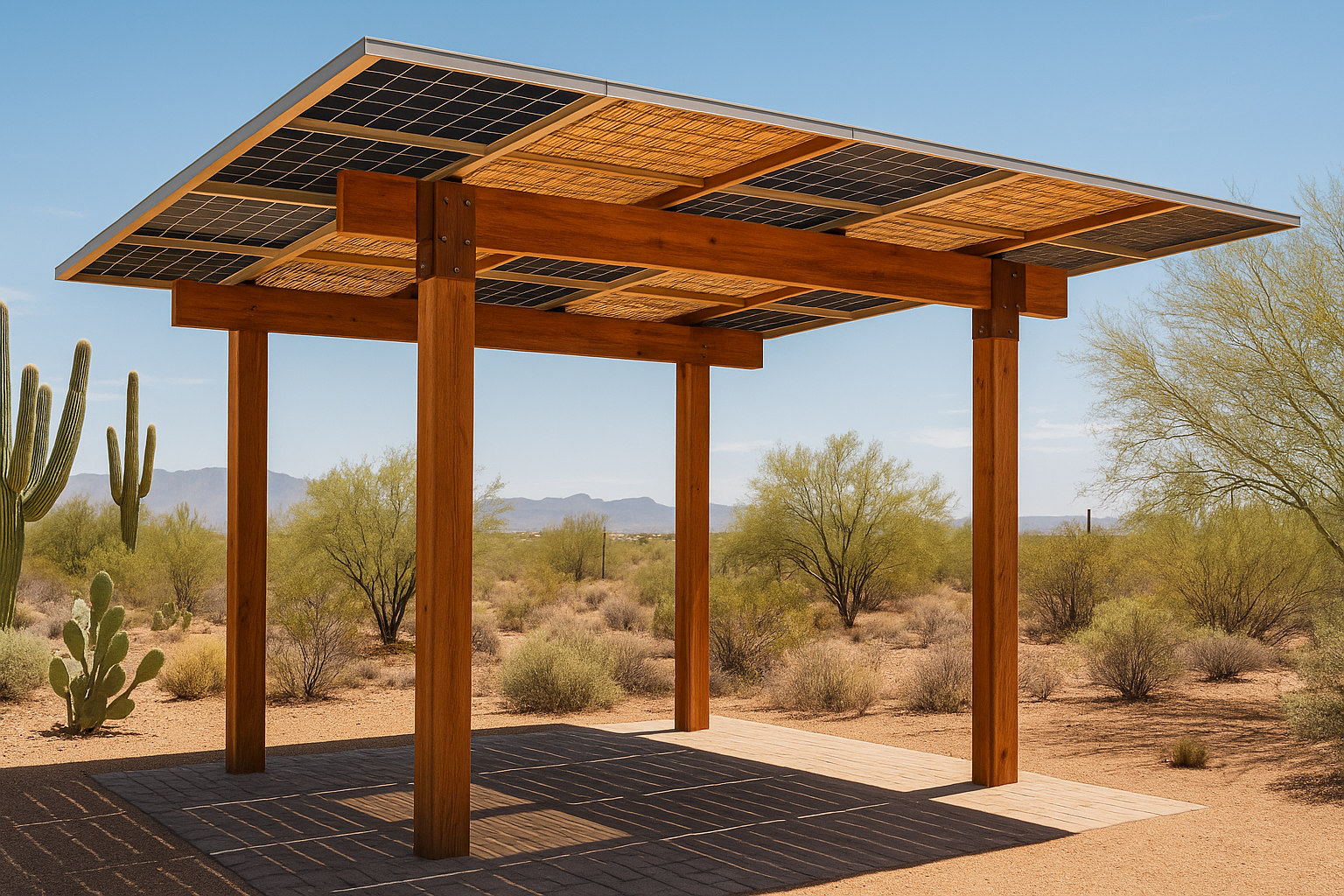
Living in the Valley of the Sun means you already know the drill—finding a cool, shaded spot isn’t just a luxury, it is a basic survival tactic. But when you are setting up a patio cover or a massive commercial canopy, you might be wondering if there is a way to beat the heat without trashing the environment. Honestly, choosing eco-friendly shade structure Materials is easier than you think, and it can actually save you a ton of headaches down the road.
Why go green when you just want some shade?
Let me explain something about the heat here in the desert. You know what it feels like to grab a steering wheel in mid-August; it is practically a branding iron. We rely heavily on Shade Structures to make life bearable in places like Phoenix and Mesa. But here is the thing. The materials we choose for these structures matter a whole lot more than just blocking the sun.
When you use sustainable materials, you are doing a couple of important things. First, you reduce the amount of junk sitting in local landfills. Second, you often get a product that is built to last significantly longer. Cheap, flimsy materials break down fast under the intense Arizona UV rays. They fade, they crack, and eventually, they tear right down the middle.
Then what happens? You throw them away and buy a new one. That continuous cycle of buying and tossing is terrible for your wallet and awful for the environment. I think we can all agree that buying something once is much better than buying it five times. Sustainable shade choices are built tough because they absolutely have to be.
High-Density Polyethylene (HDPE): The heavyweight champion
If you have started looking into eco-friendly Shade Sails, you have probably bumped into the acronym HDPE. It sounds like something straight out of a chemistry lab, right? High-Density Polyethylene. Basically, it is a ridiculously strong type of plastic.
But wait, isn’t plastic bad for the earth?
Well, this is where it gets interesting. HDPE is highly recyclable. Many of the top-tier sustainable shade materials used in our local projects are actually made from recycled HDPE. Everyday items like old milk jugs and shampoo bottles get a second life as a massive, beautiful canopy over a playground in Scottsdale or a restaurant patio in Tempe.
Because the Fabric is knit together tightly rather than woven solid, it actually breathes. Hot air rises and escapes right through the tiny gaps in the fabric, dropping the ambient temperature underneath by up to 20 degrees. And since we are focusing on longevity, HDPE doesn’t harbor mold, it resists tearing, and it holds its color beautifully even after years of monsoon dust storms and baking sun. It is tough. Really tough.
What is holding it up? Let’s talk about frames
A shade sail or canopy is only as good as the skeleton keeping it in the air. The fabric gets all the glory, sure. But the frame does the heavy lifting day in and day out.
When folks think about eco-friendly building, they often picture bamboo or reclaimed wood. Wood is great, but it requires chemical treatments to survive the brutal sun and the occasional termite invasion in Gilbert or Chandler. That is exactly why metal is often the greener, smarter choice for Phoenix shade structures.
Specifically, we are talking about recycled steel and aluminum.
Steel is one of the most recycled materials on the planet. You can melt it down and reshape it a million times without losing even a fraction of its structural strength. When a commercial space needs a massive cantilever shade over a Parking lot, recycled steel is the absolute go-to. It handles the crazy wind gusts we get during a haboob without bending.
Aluminum is another fantastic option. It is lighter than steel, which makes it much easier to ship and install—saving on fuel emissions right there. Plus, aluminum naturally resists rust. We don’t get a ton of rain here, but when those summer monsoons hit, they hit hard. Having a metal frame that won’t rust out from the inside is a huge win.
A quick word on wood: beautiful but demanding
I mentioned wood earlier, and I feel like we should touch on it a bit more. A lot of people love the look of a heavy timber pergola. Honestly, I get it entirely. It has that classic, rustic appeal. You might even think, “Hey, wood grows on trees, so it must be the most environmentally safe option!”
Well, yes and no.
If you are sourcing locally reclaimed timber, that is definitely a green choice. But maintaining wood in the Phoenix sun is a serious chore. It dries out, it splinters, and it warps. To keep it looking good, you have to continually strip it, sand it, and apply heavy chemical sealants and stains.
Over the lifetime of a wooden structure, you might use gallons of toxic chemicals just to keep it from rotting or getting eaten by pests. So, is wood sustainable? In mild climates, absolutely. But here in our extreme desert environment, the constant upkeep makes it a lot less environmentally friendly over the long haul. That is why we lean so heavily toward metal and high-density plastics. They just survive better here without needing a toxic chemical bath every two years.
Comparing your eco-friendly options
Sometimes it helps to see things laid out clearly. If you are a homeowner looking for backyard relief, or a Business owner trying to shade some expensive inventory, you have a few paths you can take. Let’s look closely at how the main materials stack up.
| Material Type | How Long It Lasts | Why It Is Sustainable |
|---|---|---|
| HDPE Fabric | 10 to 15+ years | Made from recycled plastics; fully recyclable again later. |
| Recycled Steel | 20 to 30+ years | Infinitely recyclable; incredibly durable against extreme weather. |
| Aluminum | 15 to 25+ years | Lightweight (lower shipping emissions); highly recyclable; rust-proof. |
Wait, does sustainable mean it looks boring?
Not at all. I used to think that anything labeled “eco-friendly” was going to be a drab shade of brown or beige. You know what I mean? Like a recycled cardboard box.
But that simply isn’t true anymore. The technology behind dyeing and manufacturing commercial canopies has advanced incredibly fast. You can get stunning, vibrant Colors that actually resist UV fading. Whether you want a bright, bold blue to match your brand logo or a subtle, desert-sand tone to blend into your natural landscaping, the options are completely endless.
The aesthetic appeal is absolutely crucial, especially for businesses. Think about a local cafe in downtown Chandler. If the outdoor seating area looks cheap and faded, people will walk right by. If it looks crisp, colorful, and cool, they will immediately sit down and order an iced coffee. Making a sustainable choice doesn’t mean sacrificing style; it often means enhancing it.
Placement is a huge part of the puzzle
You can buy the most eco-friendly fabric in the world, but if you put it in the wrong spot, you are missing out on the biggest environmental benefit of all: massive energy savings.
Let me share a quick story. A few years ago, a buddy of mine built this beautiful patio setup right off his living room. It had a direct western exposure. The afternoon sun would basically bake his house like a pizza oven. His air conditioning unit was running non-stop from May all the way to late October. He finally installed a tensioned shade sail directly over those large windows.
The result? His electricity bill dropped noticeably the very next month.
By blocking the sun before it actually hits your home or commercial building, you dramatically reduce solar heat gain. Your air conditioner doesn’t have to work nearly as hard. That is a massive reduction in daily energy consumption. So, the structure itself is made of green materials, and it actively reduces your carbon footprint every single day. That is a beautiful double win.
When we Design structures across the Phoenix metro area, we look really closely at the sun’s trajectory. We want to know exactly where those nasty late-afternoon rays are hitting. It is a bit of a geometry puzzle, honestly. But solving that puzzle correctly is what creates true sustainability.
Keeping things clean without harsh chemicals
Here is a tangent that actually matters a lot. Once you install your beautiful, green shade structure, how do you keep it looking fresh?
A lot of outdoor fabrics require harsh chemical cleaners to strip away mildew or stubborn bird droppings. Those chemicals wash right off into your yard, onto your plants, and seep down into the groundwater. It kind of defeats the purpose of buying an eco-friendly product if you have to dump toxins all over it twice a year, right?
HDPE fabric is naturally resistant to mold and mildew. You do not need industrial-strength bleach to clean it. In most cases, a simple mixture of mild dish soap and warm water will do the trick perfectly. Just grab a soft-bristle brush, give it a gentle scrub, and hose it down. The loose dirt from our lovely desert dust storms washes right off.
You save money on expensive, toxic cleaners, and you keep your backyard ecosystem happy. Simple, easy, and green.
What about end-of-life disposal?
We definitely need to talk about what happens when your shade structure finally gives up the ghost. It might be fifteen or twenty years from now, but eventually, the relentless desert sun wins. It always does.
If you bought a cheap big-box store canopy, the whole thing goes straight into the dumpster. The flimsy metal poles, the torn polyester top, the broken plastic clips—all of it.
But with high-quality, sustainable materials, the story has a much better ending. The steel or aluminum Posts can be pulled out and sold to a local scrap yard to be melted down and used again. The HDPE fabric can be sent to specialized recycling facilities where it gets chopped up and turned back into—you guessed it—more useful plastic products.
It is a relatively closed-loop system. By choosing the right materials from the very start, you are ensuring that your purchase doesn’t become a permanent resident of a local landfill.
Ready to cool down your space?
Finding the perfect balance of durability, style, and sustainability for your home or business doesn’t have to be a headache. Whether you need a small, stylish patio cover or a massive commercial Installation, Arizona Shade Sails has the right materials to keep you comfortably cool and keep your conscience clear. Give us a call at 480-418-8438 today to discuss your vision. Request a Free Quote so we can start designing your perfect shaded oasis right away!