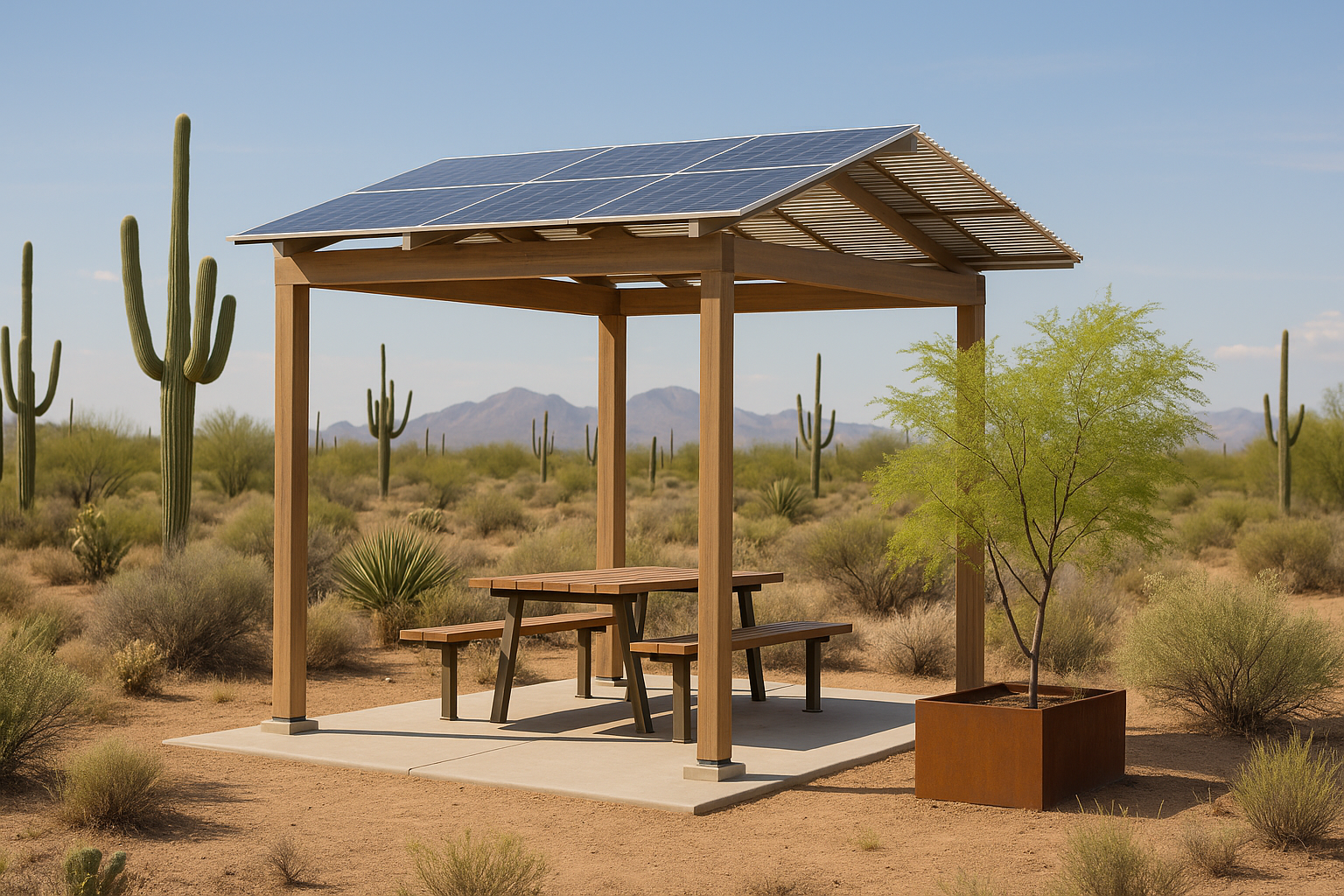
Living in the Valley of the Sun means we spend half the year just trying to avoid turning into a human puddle. Finding reliable Shade Structures isn’t just about making your backyard or storefront look pretty; it is basically a survival tactic out here. But honestly, you can block that relentless heat and lower your energy bills without leaving a massive footprint on the environment.
Why beating the heat shouldn’t cost the earth
Have you ever sat under a solid metal patio cover in the middle of August? It feels like you are sitting inside a literal oven. The metal absorbs the Phoenix sun and radiates that heat right back down onto your head, making the space completely unusable. You know what? It makes absolutely no sense at all. We spend so much energy trying to cool down, yet we often build rigid structures that stubbornly trap the heat.
This is exactly where eco-friendly outdoor shelter solutions step in to save the day. Whether you are a homeowner out in Gilbert or running a bustling cafe patio in Scottsdale AZ, you desperately need relief from the sun. But finding that relief shouldn’t require massive amounts of electricity or building Materials that harm the planet. We need smarter options.
Let me explain. Traditional building materials like concrete blocks, heavy steel beams, and chemically treated lumber require a staggering amount of natural resources to manufacture and transport. They are incredibly heavy, entirely rigid, and surprisingly harsh on the local environment. On the flip side, we have tensioned Fabric shade systems. These modern setups are exceptionally lightweight, highly efficient, and surprisingly sustainable. They provide a massive amount of coverage with a remarkably small environmental footprint.
The hidden emissions of standard construction
We rarely think about the environmental cost of getting a structure into our backyards. If you have ever watched a traditional wooden or metal pergola being built, you know it is a massive production.
First, heavy diesel trucks arrive to drop off stacks of lumber or steel. Then come the concrete mixers, idling in your driveway and pumping out exhaust fumes while pouring massive foundational slabs. The Installation alone requires a ton of energy, burns fossil fuels, and creates serious noise pollution in your neighborhood. And that doesn’t even account for the chemical stains, sealants, and paints required to keep the wood from rotting away in the harsh Arizona climate.
Now, contrast that with the installation of custom Shade Sails. The process is significantly cleaner and quieter. We only need to dig a few localized holes for the anchor Posts. There is no need to rip up your entire yard or pour giant slabs of concrete. By using minimal raw materials for the framework, we dramatically reduce the carbon emissions associated with transporting heavy goods. You get massive amounts of cooling shade without the heavy industrial footprint of a standard construction site.
The surprising science of staying cool
So, how exactly does a piece of fabric save energy? It comes down to a brilliant little concept called passive cooling.
When you install shade structures over your windows, sliding glass doors, or western-facing walls, you are physically blocking the sun before it ever hits the glass. If you live in Mesa or Chandler, you already know your air conditioning unit works overtime from May through October. By throwing shade over the exterior of your home or Business, you drastically reduce your solar heat gain. That is just industry jargon for “the sun aggressively heating up the inside of your building.”
When less heat manages to get inside, your AC simply doesn’t have to work as hard. You use far less electricity, your monthly power bill drops noticeably, and you actively reduce your overall carbon footprint. It is a highly effective, entirely passive way to cool your space. And honestly, it is completely silent and requires zero electricity to function.
I actually talked to a business owner in Tempe recently who shaded their entire west-facing storefront. They noticed a significant drop in their cooling costs almost immediately. Plus, their customers were finally comfortable sitting near the windows during the late afternoon; a space that used to be totally abandoned by 3 PM.
Breaking down the sustainable materials
You might be thinking, “It’s just plastic fabric, right? How is that actually green?” That is a very fair question, and it deserves a clear answer. Let’s look closely at what actually goes into these beautiful canopies.
Compare the actual selected product and color data for shade, UV characteristics and airflow. Material laboratory figures do not guarantee every part of the occupied space or replace personal sun protection. Ask how the installed footprint serves the useful hours.
Here is a quick look at how traditional backyard builds stack up against sustainable shade options:
Swipe to compare →
| Feature | Traditional Wood/Metal Patios | Eco-Friendly Shade Sails |
|---|---|---|
| Material Footprint | Very high (requires extensive logging or heavy mining) | Very low (uses lightweight, recyclable HDPE fabric) |
| Heat Retention | Traps hot air aggressively underneath the solid roof | Breathable mesh fabric lets hot air easily escape |
| Ground Disturbance | Requires massive concrete footers and tearing up yards | Minimal digging required for a few focused anchor posts |
Shade reduces direct solar exposure within its changing footprint, while porous HDPE allows airflow. Comfort still depends on weather, surrounding surfaces, layout and use; a fixed reduction in ambient temperature should not be assumed.
Real talk: Do they survive our wild weather?
Let’s address the elephant in the room. The monsoon season.
If you have lived in Arizona for more than a single summer, you have definitely seen a haboob roll through. Those massive, towering walls of dust bring intense, violently destructive winds. On the surface, a shade sail looks like a giant, colorful kite. So you would naturally assume the wind would easily rip it right off your house, right? It seems totally logical.
Here is the thing; they are actually engineered to withstand intense weather significantly better than a lot of rigid structures. We use heavy-duty, marine-grade stainless steel Hardware for every connection. We are talking about forged turnbuckles and specialized shackles that actually belong on the rigging of a massive sailboat. When we install a canopy, we apply hundreds of pounds of tension to the reinforced corners. This pulls the fabric incredibly tight, giving it a rigid, almost architectural shape.
The complete fabric, connections, supports and foundations determine structural performance. Porous fabric or a twisted shape is not a universal wind or storm-safety guarantee. Confirm the selected system, project engineering and operating guidance.
Where sustainability meets serious style
There is a weird, lingering misconception that making eco-conscious choices means you have to sacrifice aesthetics. People often think they have to settle for something that looks a bit like a makeshift camping tent pitched in their backyard. Nothing could be further from the truth.
Tensioned fabric structures are breathtakingly modern. They instantly add a sleek, high-end architectural vibe to any property. Think about the fancy luxury resorts up in Scottsdale AZ. They rarely use clunky, outdated wooden pergolas around their expensive pools anymore. Instead, they use dynamic, overlapping layers of brightly colored shade sails.
- Residential Backyards: Perfect for throwing shade over that pool so the water doesn’t feel like a steaming hot tub by late July.
- Commercial Courtyards: restaurants and neighborhood cafes can instantly double their seating capacity by keeping their outdoor patios comfortable all day long.
- Driveways and Carports: Stop burning your hands on your steering wheel while actively protecting your car’s expensive paint job from harmful UV rays.
- Neighborhood Playgrounds: Keeping metal and plastic playground equipment cool so kids don’t get burned on scorching hot slides.
By choosing these specific eco-friendly outdoor shelter solutions, you are massively elevating the visual appeal of your property while making a genuinely sustainable choice. You get to play your part in reducing regional energy consumption, and your backyard ends up looking like a five-star desert resort. That is what I call an absolute win-win situation.
A lighter footprint right in your own backyard
Protecting our environment usually feels like a massive, totally overwhelming task. It is very easy to feel like the small, everyday choices we make don’t really matter in the grand scheme of things. But they absolutely do. Choosing a sustainable, low-impact shade structure over a resource-heavy traditional build is a highly practical way to make a real difference locally.
You save precious electricity during our hottest months. You reduce the intense demand for heavy construction materials. You keep unnecessary, bulky waste out of our local city landfills. And honestly, you just get a significantly better, cooler, and more comfortable outdoor living space. Our unique desert landscape is incredibly beautiful, and finding smart ways to enjoy it without actively harming it just makes perfect sense. The sun definitely isn’t going anywhere anytime soon. But how we choose to live with it, and protect ourselves from it, is entirely up to us.
Ready to upgrade your blistering patio into a cool, sustainable oasis? Reach out to the local experts at Arizona Shade Sails today at 480-418-8438 to discuss your upcoming project. Request an Estimate and let our dedicated team help you Design a beautiful, highly effective structure that perfectly fits your unique space.